
-
Phone Number
+91 90336 62232 -
Email Address
yashvi28@gmail.com -
Monday - Saturday
10:00 AM - 07:00 PM
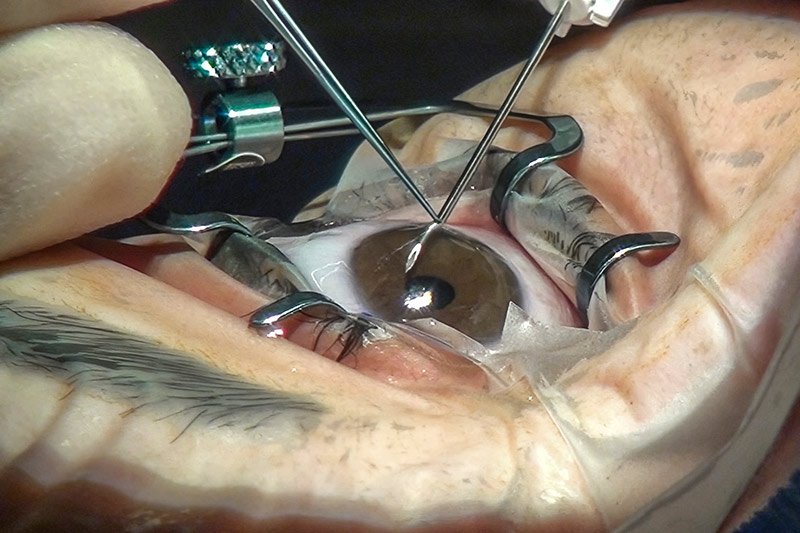
Glaucoma, the silent thief of sight is a term used to describe a group of diseases of the eye characterized by progressive and irreversible damage to the optic nerve (nerve of the eye responsible for vision) and which if untreated can lead to blindness. Though raised pressure of the eye (pressure maintained by fluid in the eye) is an important risk factor, a few individuals can develop glaucoma even with normal pressure of the eye.
- Due to its asymptomatic nature and subtle clinical signs, a significant proportion of Glaucoma remains undetected in people worldwide.
- As on date, the global prevalence of glaucoma is 64.3 million which is predicted to increase by 18% in 2020 and 74% in 2040, predominantly affecting the inhabitants from Asian and African ethnicity. Women comprise more than 50% of all cases.
- More than 12 million people in India have Glaucoma – but only half know they have it.
- 25% of Glaucoma patients present to eye surgeon when one eye vision is lost and 8-10% people know about the disease when 80% nerve fibers are lost.
- Increased Intraocular Pressure (IOP)
- Poor Drainage of Eye Fluid
- Age (Above 60 Years)
- Family History of Glaucoma
- Medical Conditions
- Eye Injuries
- Long-term Use of Steroid Medications
- Thin Corneas
- Previous Eye Conditions or Surgery
- Ethnicity
The most common type of glaucoma (open-angle glaucoma) often has no symptoms rather than slow vision loss. Angle-closure glaucoma although rare is a medical emergency and its symptoms include eye pain with nausea and sudden visual disturbance.
- Inability to adjust the eyes to darkened rooms, such as theaters
- Poor night vision
- Frequent changes in eye glass prescription
- Gradual loss of peripheral vision
- Blurred vision
- Feeling of a blind area in the eye
- Seeing rainbow colored halos around lights
- Severe eye pain, facial pain, nausea and vomiting
- Red eye
Copyright © Yashvi Eye Care Hospital. All Rights Reserved | Develop by Nexus
